How to Choose the Best Memoir for Your Current Emotional State
Welcome to WorldPustaka, the ultimate destination for exploring the world through the power of words. We're here at www.ratnamirza.biz.id, a trusted source for in-depth book reviews, incisive literary criticism, and creative writing tips for both aspiring and professional writers. We believe that every page is a door to a new adventure, and our mission is to help you discover the best and most inspiring reading resources. Discover curated literature recommendations and hone your writing skills with our community of passionate readers. Happy reading.
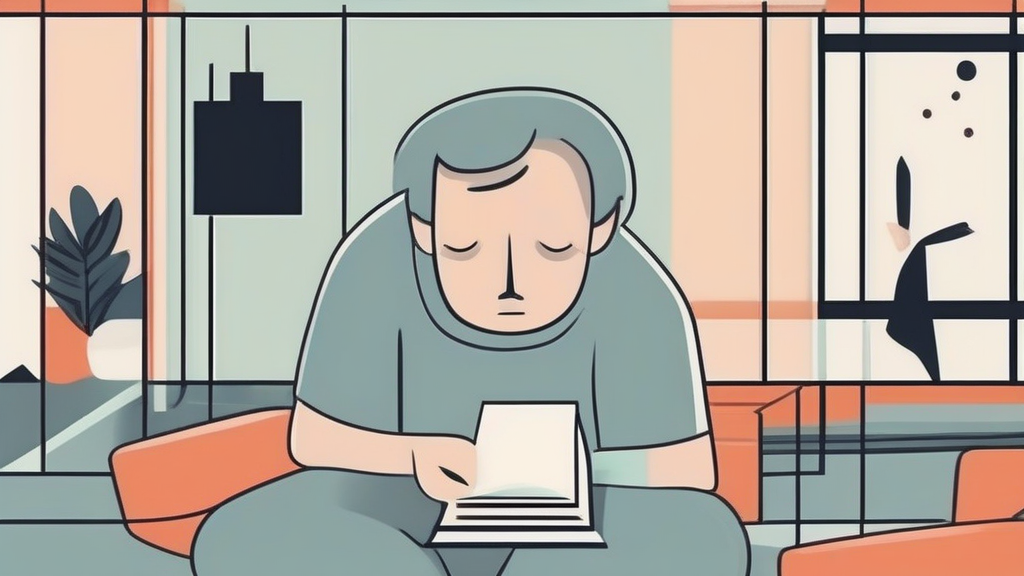
Finding the right book is like picking a companion for a long, difficult hike; choosing memoirs for emotional healing requires you to assess your current terrain before you lace up your boots. You wouldn't wear flip-flops on a glacier, and you shouldn't dive into heavy trauma narratives if you aren't mentally prepared for the frostbite.
Key Insights
- Match your reading intensity to your current emotional bandwidth.
- Memoirs act as mirrors; recognize if you are looking for validation or a roadmap.
- Avoid "trauma dumping" in your reading list if you are currently in a state of crisis.
- Narrative structure matters—choose linear stories for grounding and non-linear ones for reflection.
Think of your current emotional state as a specific weather pattern. If you are experiencing a drought—feeling emotionally numb or disconnected—you need a memoir that brings a storm of raw, visceral feeling to wake you up. If you are in the middle of a hurricane, you need a story that offers an anchor, something grounding and stable.
We often treat books like medicine, but different conditions require different dosages. A memoir on Complex PTSD, for instance, provides a diagnostic lens that can be incredibly validating, but it can also be triggering if the author’s experience is too close to your own open wounds.
Assessing Your Emotional State
Before you buy, ask yourself: Am I looking for a guide, or am I looking for a witness? If you want a guide, look for authors who integrate psychological insight with their narrative. If you want a witness, look for authors whose prose feels like a confession.
| Emotional State | Recommended Memoir Style | Why It Works |
|---|---|---|
| Grief/Loss | Reflective, slow-paced | Allows space for processing without rushing the arc. |
| Burnout/Overwhelm | Humorous or detached | Provides distance and a necessary shift in perspective. |
| Self-Discovery | Quest-based narratives | Mimics the journey of finding one’s own identity. |
Strategies for Choosing Memoirs for Emotional Healing
When selecting your next read, examine the author's resolution phase. Do they actually heal, or do they simply manage? Many readers mistakenly believe a memoir needs a "happy ending" to be therapeutic. In reality, the most healing books are often those that simply describe the messy process of resilience.
Watch out for memoirs that fetishize the trauma. If the book spends 90% of its pages on the abuse and only 10% on the recovery, it might leave you feeling depleted rather than empowered. You want a book that respects the complexity of the human spirit.
The "Two-Chapter" Test
Never commit to a full book based on a blurb alone. Read the first two chapters and the final chapter. If the ending feels earned, the journey is likely worth your time. If the ending feels forced or overly optimistic, walk away.
What should be avoided in a memoir?
Avoid books that prioritize sensationalism over genuine insight. If a memoir feels like it is written to shock the reader rather than to explore the truth of a human experience, it is likely lacking the emotional depth required for healing.
What's the hardest trauma to heal from?
There is no universal "hardest" trauma, as healing is entirely subjective and dependent on an individual's support system. However, developmental or early-childhood trauma is often cited as complex because it shapes the very architecture of one's personality, requiring longer, more layered work to untangle.
Can memoirs replace professional therapy?
Absolutely not. Memoirs are complementary tools that can help you feel less alone, but they cannot replace the interactive, diagnostic, and corrective nature of a professional clinical relationship. Use them to supplement your growth, not as your only resource.
Trust your gut when you browse the shelves. If a book makes you feel defensive or agitated, put it back. You aren't failing; you're just protecting your peace. Pick the book that meets you where you are today, and let it lead you exactly as far as you are ready to go.
Thank you for reading my website. If you have any questions, please leave a comment here.
Post a Comment for "How to Choose the Best Memoir for Your Current Emotional State"