10 Underrated Memoirs About Overcoming Unimaginable Personal Loss
Welcome to WorldPustaka, the ultimate destination for exploring the world through the power of words. We're here at www.ratnamirza.biz.id, a trusted source for in-depth book reviews, incisive literary criticism, and creative writing tips for both aspiring and professional writers. We believe that every page is a door to a new adventure, and our mission is to help you discover the best and most inspiring reading resources. Discover curated literature recommendations and hone your writing skills with our community of passionate readers. Happy reading.
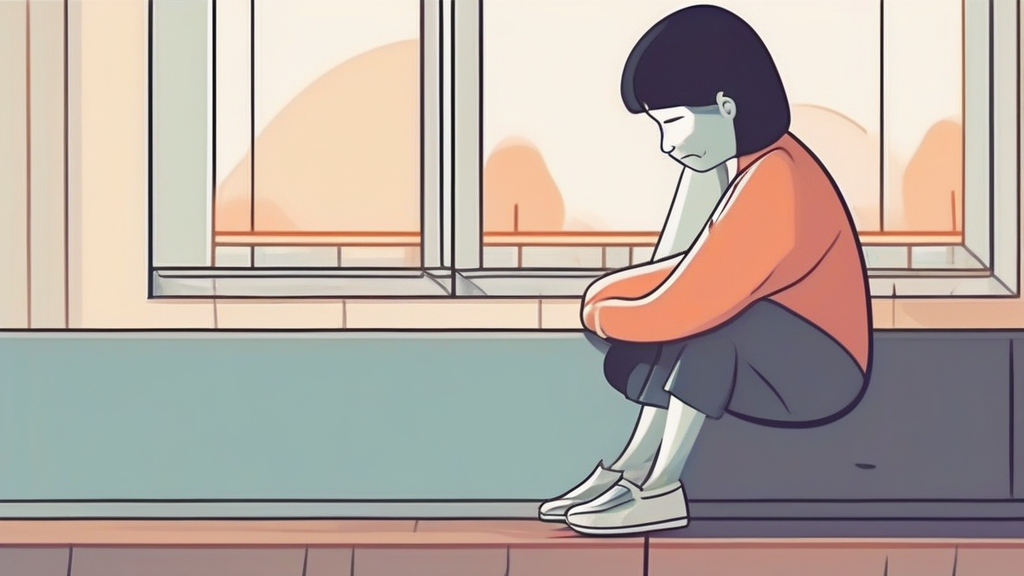
Finding the right memoirs about overcoming personal loss can feel like searching for a lighthouse in a dense, blinding fog. When your world collapses, reading about someone else’s wreckage isn't just voyeuristic; it’s a lifeline. You aren't looking for platitudes. You’re looking for someone who walked through the fire and came out the other side.
Key Insights
- Grief is rarely linear; the best memoirs reflect this messy, non-chronological reality.
- Personal transformation often requires "sitting with" the pain rather than bypassing it through toxic positivity.
- Narratives that focus on mundane details often provide more comfort than grand philosophical statements.
- These stories act as mirrors, helping you identify your own emotional landscape without the pressure of having to explain it to others.
Most people treat grief like a flat tire—something to be fixed and forgotten. It’s actually more like a permanent change in climate. You don't get back to your old life; you learn to build a new one in a different hemisphere.
I’ve spent 15 years curating libraries for people in transition. These ten books aren't the standard bestsellers you find at the airport. They are raw, quiet, and deeply human.
The Best Memoirs About Overcoming Personal Loss
| Title | Focus | Emotional Impact |
|---|---|---|
| The Year of Magical Thinking | Sudden loss/Grief | High |
| H is for Hawk | Grief/Nature | Moderate |
| The Liars' Club | Trauma/Childhood | High |
Joan Didion’s The Year of Magical Thinking is the gold standard, but it’s the ones that follow that really peel back the layers. Consider The Still Point of the Turning World by Emily Rapp. It’s a brutal, beautiful account of a mother caring for a child with a terminal diagnosis. It isn't about "fixing" the situation. It’s about the fierce, illogical love that remains.
Then there is When Breath Becomes Air by Paul Kalanithi. It’s an essential look at the intersection of medicine and mortality. If you have ever felt like your identity was stripped away by circumstance, you need to read how Kalanithi navigates his shift from neurosurgeon to patient.
For those dealing with the loss of a spouse, The Bright Hour by Nina Riggs is indispensable. She documents her terminal cancer journey with a sharp, literary wit that feels like a conversation with a brilliant friend. It’s a masterclass in living while dying.
We often talk about grief as a monolithic weight. It’s actually a series of small, sharp ruptures. Reading these memoirs helps you categorize those ruptures. It provides a map for the psychology behind the void.
Don't overlook Wild by Cheryl Strayed. While often categorized as an adventure book, it is fundamentally about the loss of a mother and the disintegration of self. The trail is just the backdrop. The real journey is the internal excavation of a woman who lost her anchor.
If you prefer a more unconventional path, try Notes on Grief by Chimamanda Ngozi Adichie. It’s short, punchy, and feels like a frantic diary entry. It captures the physical toll of loss—the way your body forgets how to function when your heart is broken.
How do you pick the right book when you are already overwhelmed?
Start with one that mirrors your specific situation, but don't limit yourself. Sometimes a story about a completely different type of loss provides the distance you need to process your own. The goal isn't to find an identical experience; it's to find a shared resonance in the prose.
Is it normal to stop reading a book halfway through if it feels too heavy?
Absolutely. Your nervous system has a limit. If a memoir starts triggering a panic response rather than providing insight, put it down. You can come back in six months, or you can find a different voice that feels less abrasive.
Can reading these stories actually help with the grieving process?
Science suggests that narrative engagement helps integrate traumatic memories into your broader life story. By reading about others who have moved through the dark, your brain begins to visualize a path for yourself. You aren't just reading; you are practicing survival.
You don't need to finish the whole shelf at once. Pick one. Keep it on your nightstand. Let the pages wait for you until you are ready to listen to what they have to say. Growth after loss is a slow, quiet work, but it is possible.
Thank you for reading my website. If you have any questions, please leave a comment here.
Post a Comment for "10 Underrated Memoirs About Overcoming Unimaginable Personal Loss"